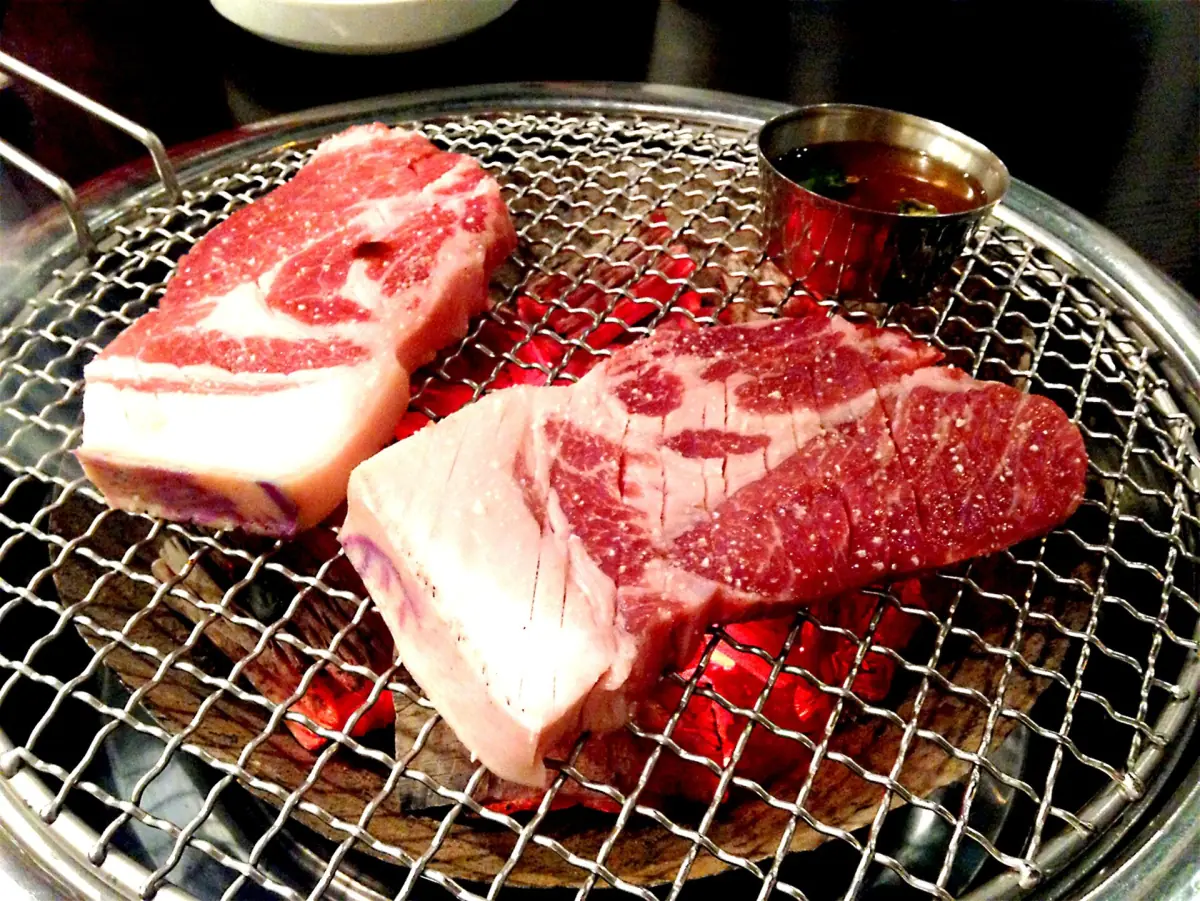
What to eat on Jeju
Four local foods stand out as regional specialities: black pork, seafood gathered by the haenyeo, tangerines and hallabong. You can try all four in a few days without a planned food tour. The markets in Jeju City and Seogwipo are the easiest places to start and fit easily into a day in town.
A speciality is not a guarantee. No label promises that every stall sells local pork or locally caught seafood, so ask where something comes from if it matters to you. Prices are not fixed across the island either, so check the price before you order.
If you want a day that includes a meal, compare the Jeju day tours and read what each one says about food. For a market in the evening and a bed nearby, see where to stay on Jeju.
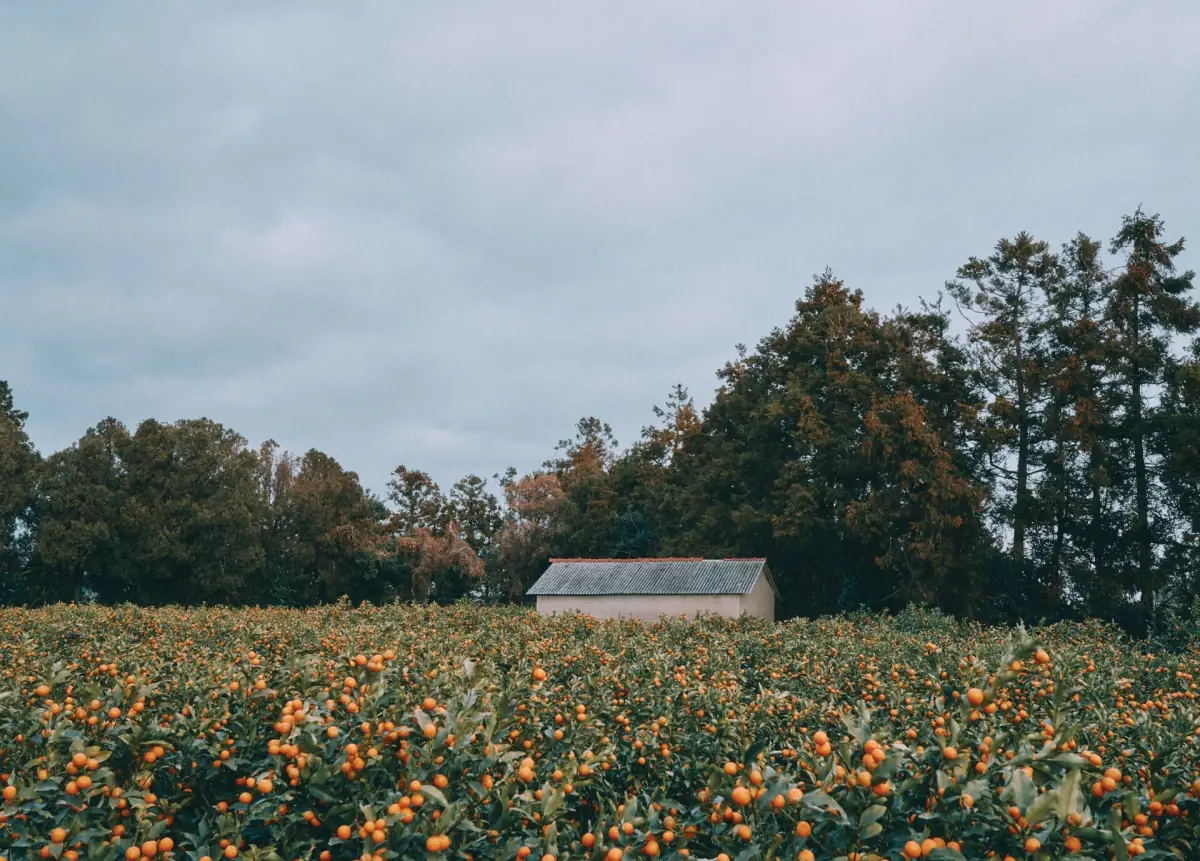
Two markets compared
Both are in a city center and easy to reach on foot once you are there.
| Market | Where | When | Known for |
|---|---|---|---|
| Dongmun Market | Jeju City, traditional market | Evening market near Gate 8 | Pork and kimchi rolls, abalone gimbap |
| Seogwipo Maeil Olle Market | Center of Seogwipo, covered arcade | Open all year, with an evening offer | Omegitteok, hallabong juice, fresh seafood |
For most visitors, the market in the city where they sleep is the right one. Stay in Jeju City and you have Dongmun. Stay in Seogwipo and you have Maeil Olle.
Our pick: seafood on the water
Our take: a short yacht trip whose haenyeo option adds a seafood tasting.
Hand-picked tours, booked through GetYourGuide. Prices are indicative starting prices in US dollars (as of October 2026). Tap a tour for live availability and the current price in your currency.
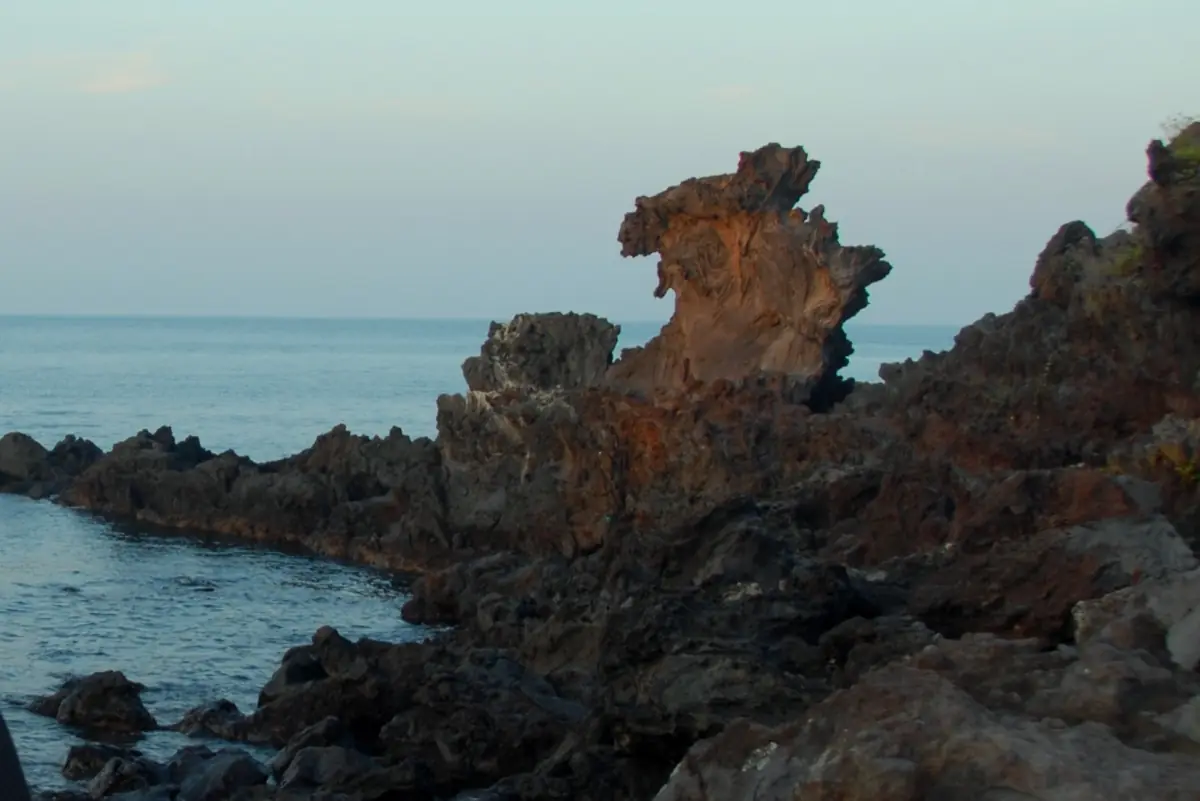
Jeju tours and day trips
Day trips around the island, with live prices and availability. Check what each one says about meals.
What to look for
The four foods in more detail.
Black pork
Black pork is the food most visitors associate with Jeju. It is often served grilled over charcoal. Ask the staff how to cook it if you are unsure, and check the price before you order.
Seafood from the haenyeo
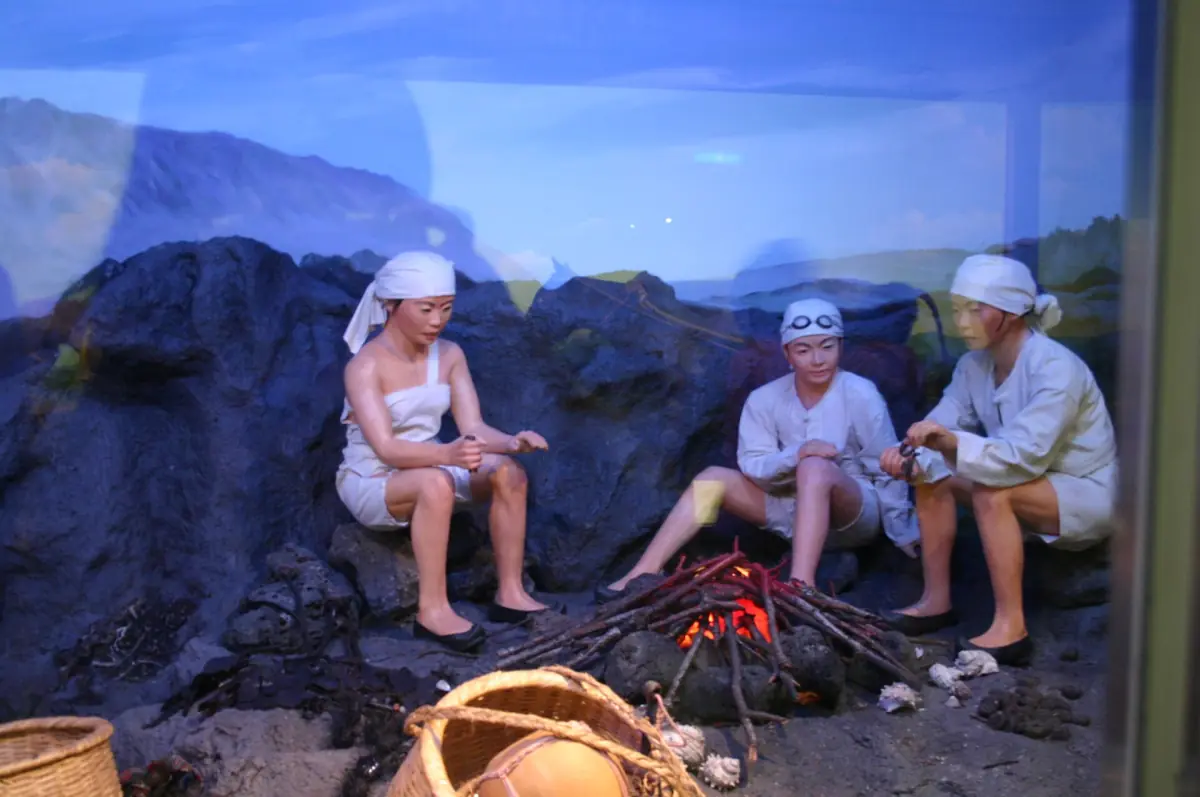
The haenyeo are the women divers of Jeju, and seafood they gather is a regional speciality. Treat it as a way to taste a living tradition. The Jeju haenyeo page explains who they are and where to learn more.
Tangerines and hallabong
Tangerines come from orchards on the island, and hallabong is a Jeju citrus speciality. Look for the fruit fresh and for hallabong juice. Ask the stall what is in season rather than relying on a fixed calendar.
Market snacks
Dongmun is known for pork and kimchi rolls and abalone gimbap. In Seogwipo, the market is known for omegitteok. Carry some cash or a card for the stalls.
A simple food plan for three evenings
An example, not a fixed itinerary.
First evening: Jeju City
After you land, go to the Dongmun evening market near Gate 8. Try the pork and kimchi rolls and abalone gimbap, and walk the stalls before you decide what to buy.
Second evening: a black pork dinner
Sit down for grilled black pork. Choose a place that shows its prices, and ask how much meat a portion holds before you order.
Third evening: Seogwipo
Finish at the Maeil Olle Market in the center of Seogwipo. Pick up omegitteok and hallabong juice, and ask for fresh seafood if you want something light.
Three questions help at any stall or restaurant: where does it come from, what does it cost, and how big is the portion. They also keep you from paying for more than you meant to order.
Food for a Hallasan day
Buy it before you start.
The Seongpanak trailhead has no shop, so bring food and water with you. Disposable lunch boxes are not allowed in the national park, but gimbap and hamburgers are fine. That is not a general ban on food. Trail times, reservations and parking are on the Hallasan hike page.
Jeju food: frequently asked questions
What food should I try on Jeju?
Black pork, seafood gathered by the haenyeo, tangerines and hallabong are the four regional specialities. The markets in Jeju City and Seogwipo are the easiest places to look for them.
Where is the evening market in Jeju City?
The Dongmun traditional market has an evening market in the area of Gate 8. It is known for pork and kimchi rolls and abalone gimbap.
What is the Maeil Olle Market?
It is a market in the center of Seogwipo that runs all year, with a covered arcade and an evening offer. Try omegitteok, hallabong juice and fresh seafood.
Can I buy food on the Hallasan trail?
Do not count on it. The Seongpanak trailhead has no shop, so buy your food and water beforehand. Disposable lunch boxes are not allowed, while gimbap and hamburgers are.
Is this the official Jeju tourism website?
No. This is an independent travel guide. It is not run by the Jeju provincial government, Visit Jeju or the Korea Tourism Organization, and it has no connection to restaurants, tour operators or hotels.