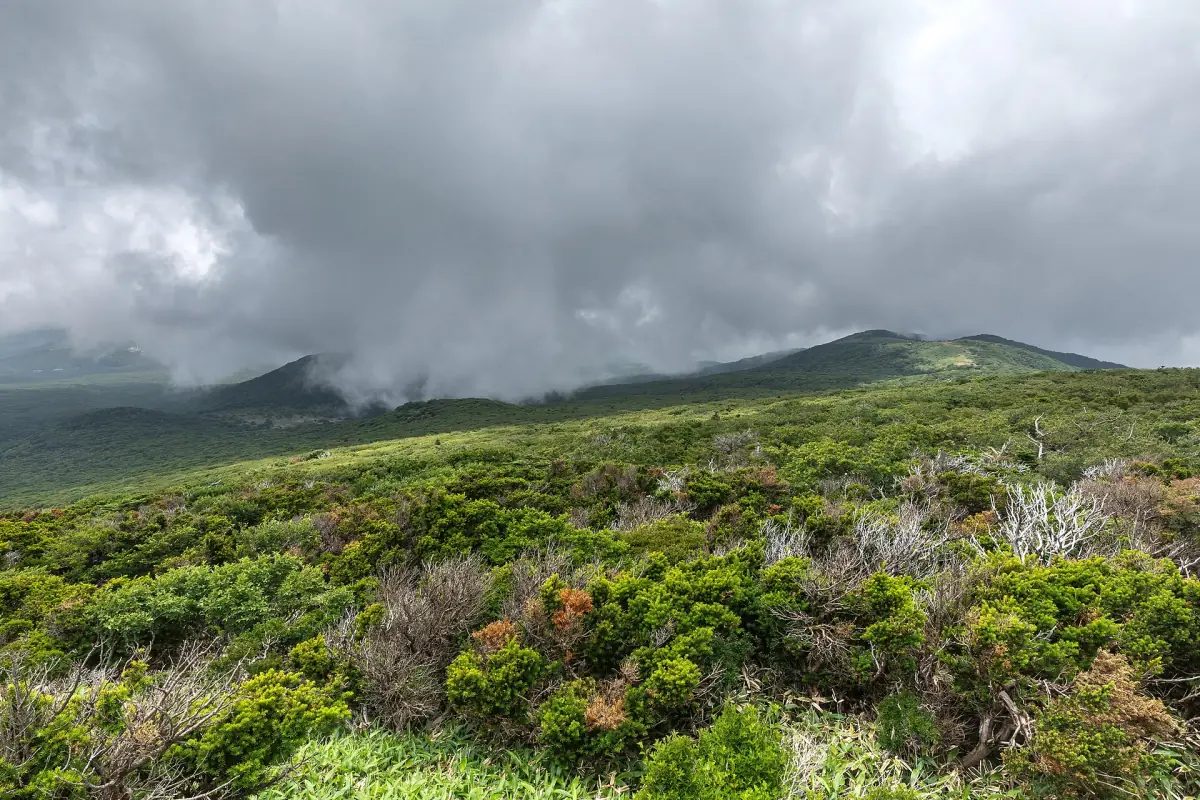
Jeju weather through the year
Jeju sits in the sea south of the Korean mainland, and the weather changes with the season. Summer brings heat, humidity and the heaviest rain. Winter days stay in single digits or low teens Celsius. Spring and autumn are the milder seasons for sightseeing.
The figures below are long-term averages for Jeju City, not a forecast. Coastal and mountain conditions can differ a lot from the city, and weather can close access to Hallasan or stop a ferry. If you plan to hike, read the Hallasan guide as well. On a wet day, Jeju day tours from Jeju City take the route planning off your hands, though stops can be swapped because of weather.
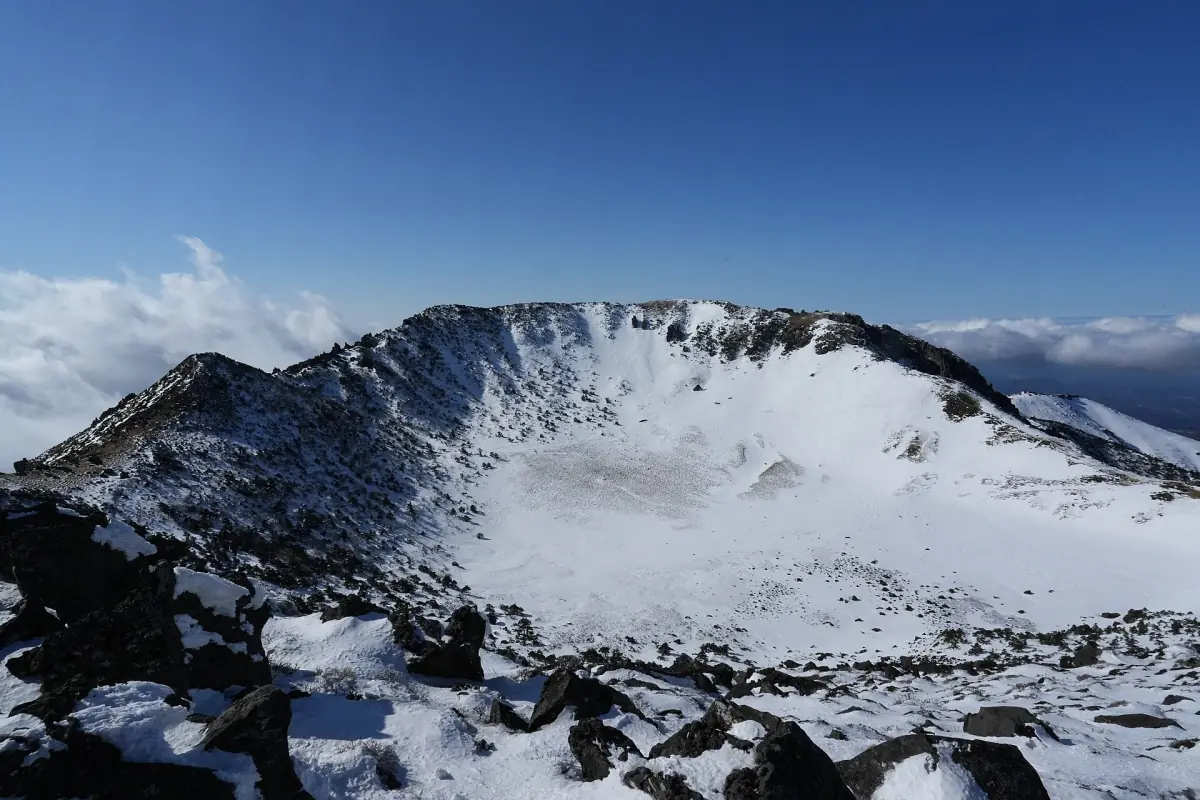
Jeju weather by month
Average daily highs and lows and monthly rain, Jeju City, normals for 1991 to 2020.
| Month | High (°C) | Low (°C) | Rain (mm) |
|---|---|---|---|
| January | 8.6 | 3.7 | 67.5 |
| February | 9.9 | 4.0 | 57.2 |
| March | 13.3 | 6.6 | 90.6 |
| April | 18.0 | 10.8 | 89.7 |
| May | 22.1 | 15.0 | 95.6 |
| June | 24.9 | 19.1 | 171.2 |
| July | 29.3 | 23.7 | 210.2 |
| August | 30.1 | 24.8 | 272.3 |
| September | 26.1 | 20.9 | 227.8 |
| October | 21.6 | 15.7 | 95.1 |
| November | 16.4 | 10.4 | 69.5 |
| December | 11.0 | 5.6 | 55.6 |
The high and low are average daily values, not record extremes and not measurements for 2026. The table covers the Jeju City station. Gosan, Seongsan and Seogwipo have their own stations, and the Hallasan summit is not part of these values. For most sightseeing trips, April, May and October combine mild highs of 18.0 to 22.1 °C with under 100 mm of rain a month.
Our pick: for a rainy day
Our take: an indoor Taekwondo show in Seogwipo.
Hand-picked tours, booked through GetYourGuide. Prices are indicative starting prices in US dollars (as of October 2026). Tap a tour for live availability and the current price in your currency.
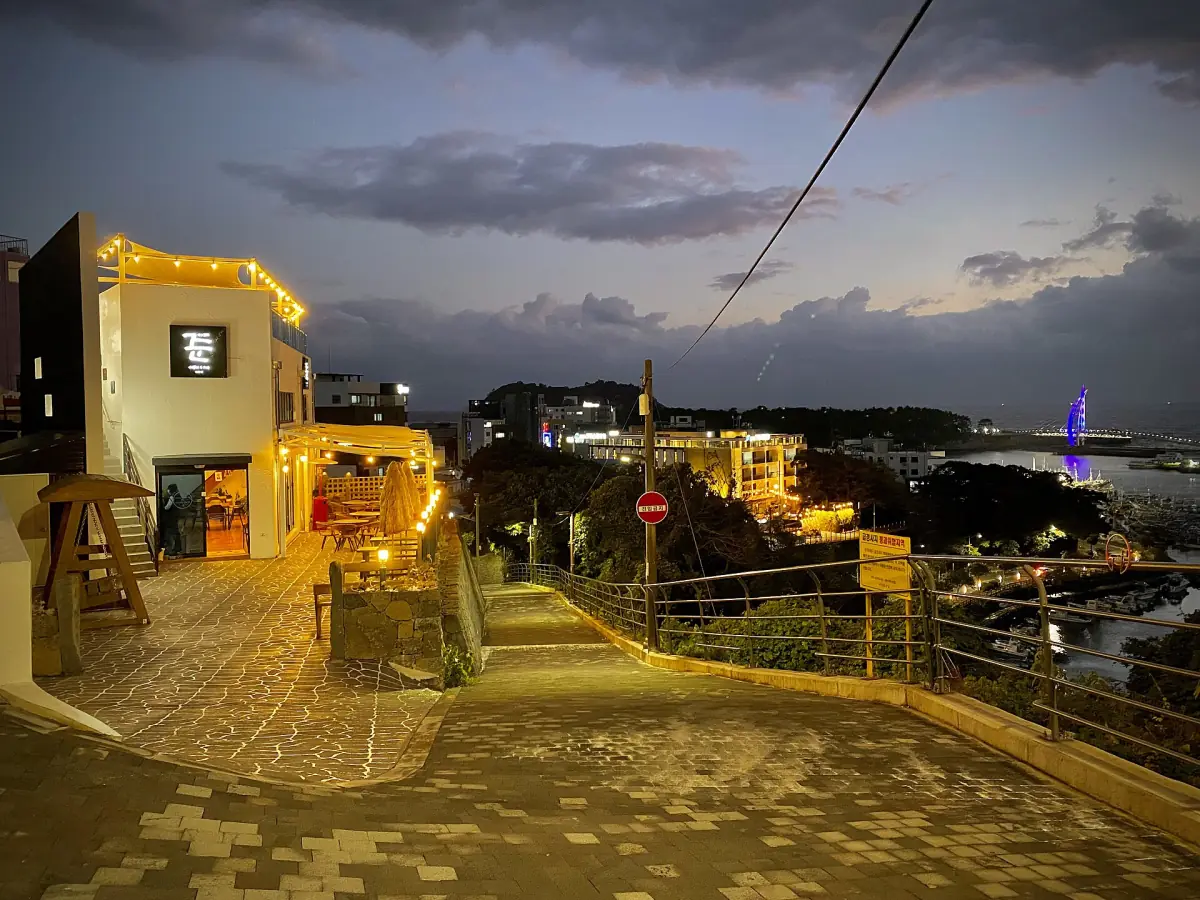
Jeju tours for any season
East and southwest day trips from Jeju City, with live prices and availability.
Jeju weather by season
What to expect and what to pack.
Spring, March to May
Highs rise from 13.3 °C in March to 22.1 °C in May, and rain stays between 89.7 and 95.6 mm a month. Pack layers and a light rain jacket. Nights are still cool in March, with lows of 6.6 °C.
Summer, June to August
June brings 171.2 mm of rain, July 210.2 mm and August 272.3 mm, with highs of 29.3 to 30.1 °C in July and August. Expect humid days and heavy showers. The beach season in 2026 runs from 24 June to 6 September.
Jeju beaches →Autumn, September to November
September is still wet, with 227.8 mm. October drops to 95.1 mm and highs of 21.6 °C, and November has 69.5 mm and highs of 16.4 °C. Pack layers for the cooler evenings.
Winter, December to February
Highs of 8.6 to 11.0 °C and lows of 3.7 to 5.6 °C. Rain is lowest in December and February. Bring a warm coat.
Typhoons and how weather changes plans
Storms are most likely from July to September.
Typhoon months
Typhoons are most likely from July to September. Single storms can also arrive in June or October. This is a seasonal pattern, not a forecast for your dates. Follow the national forecast in the days before you travel.
Hallasan
Sudden weather changes can bring access limits. A reservation does not guarantee that the trail stays open. Bring your own food and water, because the Seongpanak trail has no shop.
Hallasan hike →Udo ferry and the sea
The crossing from Seongsan to Udo takes about 15 minutes, but weather can change or stop sailings. In strong wind, high swell or heavy rain, change your beach plans and swim only in marked zones.
Udo Island →Waterfalls and sights
Opening hours at Jeongbang and Cheonjeyeon depend on daylight and weather. Haenyeo demonstrations at Seongsan also change with season and weather, so do not plan a fixed time.
Jeju waterfalls →Plan the rest of your trip
Weather decides when to go.
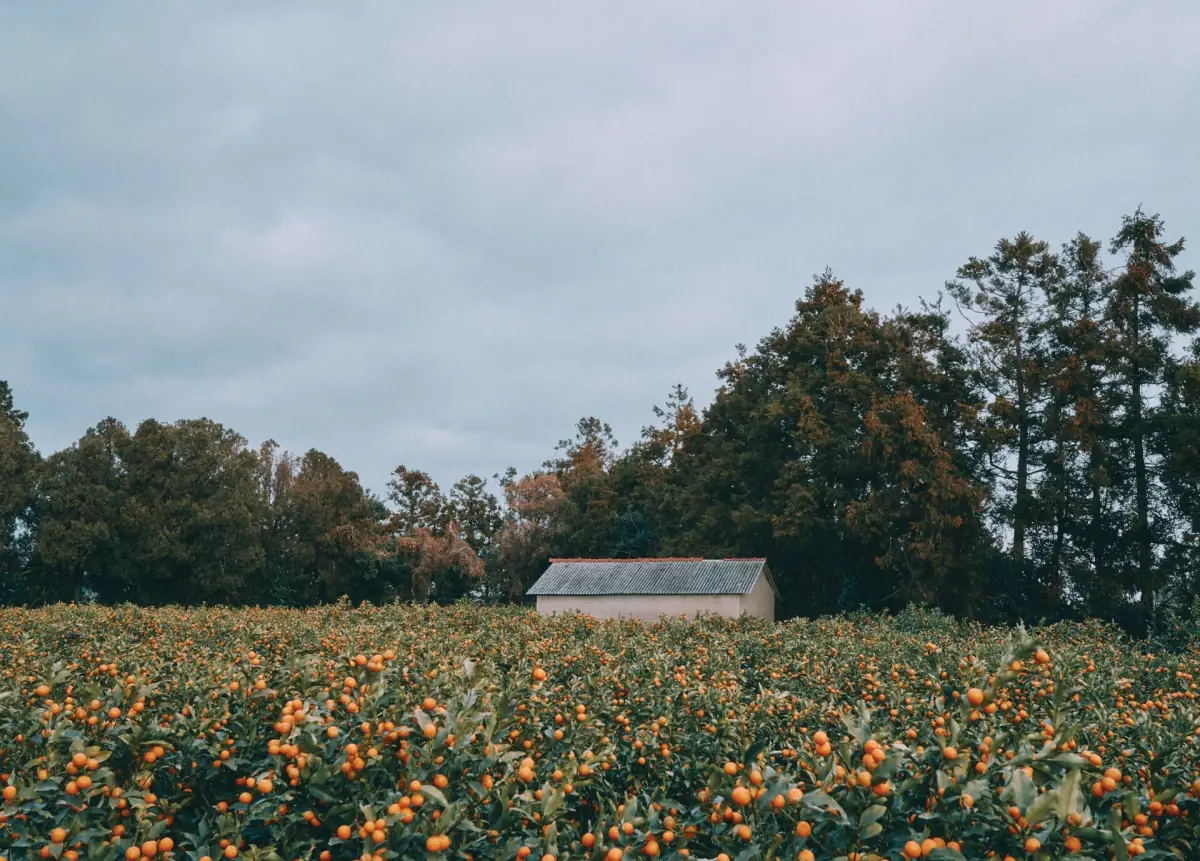

Jeju weather: frequently asked questions
What is the rainiest month in Jeju?
August, with an average of 272.3 mm in Jeju City, followed by September (227.8 mm) and July (210.2 mm).
When is typhoon season in Jeju?
Mainly July to September. Storms can also come in June or October. Check the forecast in the days before your trip.
How hot does Jeju get in summer?
The average daily high is 29.3 °C in July and 30.1 °C in August, with lows of 23.7 and 24.8 °C. Expect humid weather.
Is Jeju cold in winter?
Average highs are 8.6 to 11.0 °C and lows 3.7 to 5.6 °C. Winters are cool and fairly dry, with 55.6 to 67.5 mm of rain a month.
Do these figures apply to Hallasan or Seogwipo?
No. The table covers the Jeju City station. Seogwipo, Gosan and Seongsan have their own stations, and the Hallasan summit is not included.
Is Jeju-Island.org an official site?
No. This is an independent travel guide with no connection to the provincial government, Visit Jeju, the Korea Tourism Organization or tour operators.